
Process of Creating Animated Explainer Video
More often than not, your explainer videos are the first thing that your potential customers see of you. People don’t mind watching a 90-second video and that’s how they get introduced to your brand, either through a random ad on FB or through a blog post of yours.
Understanding what is an explainer video fundamentally shapes how companies approach video production. These aren’t just animated marketing materials, they’re strategic business tools designed to clarify complex offerings, build trust, and drive conversions through clear visual storytelling.
With a clear vision about their explainer video in mind, most companies outsource this task as it requires a lot of expertise. Hiring the services of an animated explainer video company that has been in the industry for a long time gives you an adequate cushion to create a video that is unique and demanding.
The production process involves multiple specialized phases, each requiring specific expertise and attention to detail. From initial concept through final delivery, professional explainer video production follows a structured methodology that ensures quality, consistency, and business impact. For founders and marketing leaders planning video initiatives, understanding how long does it take to produce a customized explainer video helps set realistic timelines and expectations for project planning.
Well, to make you understand the various factors involved in making an explainer video, we outline the steps that Motionvillee follows:
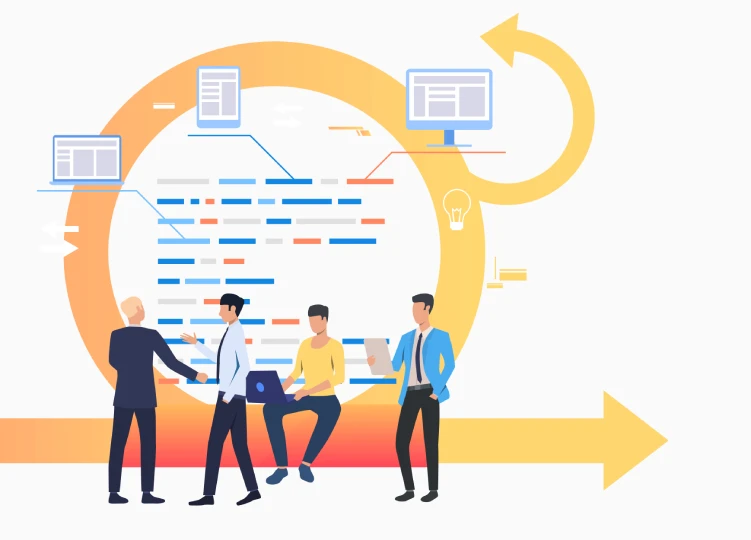
#1 Requirements gathering phase: The Foundation of Success
When a client comes with a “We need an explainer video” statement, there is no template that is readily available which makes it happen in flat 30 minutes. This isn’t a mass-made burger that follows no rhyme or rhythm in getting made.
There is a lot of work that goes into creating an explainer video. The first aspect would be understanding your requirements clearly. We need to create a structure so that we can make your explainer video from the scratch up. There is a lot of brainstorming involved after which the work gets started.
What the Requirements Phase Actually Covers
Understanding your business and audience:
Before any creative work begins, strategic partners need to understand your product, market position, target audience, and competitive landscape. This isn’t superficial research, it’s deep discovery that informs every subsequent decision.
Defining video objectives:
What specific business goal does this video serve? Homepage conversion? Sales enablement? Customer onboarding? Investor pitches? Each purpose demands different messaging approaches and production specifications.
Clarifying technical requirements:
Where will the video live? What platforms require specific versions? Are there language localization needs? Technical specifications significantly impact production scope and timeline.
Establishing brand guidelines:
Color palettes, typography, tone of voice, and visual style must align with existing brand identity. This alignment ensures the video integrates seamlessly with other marketing materials.
Setting timeline and milestones:
Realistic project schedules with clear approval points prevent delays and ensure timely delivery. Understanding production stages helps clients allocate appropriate review time.
Hire an animated explainer video company which has a clear-cut requirement gathering process in place. Companies that skip this phase produce generic videos that look professional but fail to connect with specific audiences or achieve defined business outcomes.
#2 Scriptwriting: The Cornerstone of Effective Communication
Even if you manage to create a high-quality video with terrific graphics, if the script isn’t good, your prospects won’t remember it and the entire exercise would be futile. The script should pass through various iterations to ensure that it is as solid as possible.
The Script Development Process
Discovery and messaging framework:
Professional scriptwriters begin by extracting the core message through stakeholder interviews. What’s the one thing viewers must remember? Everything else supports this central idea.
First draft: Getting the structure right:
Initial drafts establish the narrative flow, hook, problem, solution, how it works, benefits, call to action. This structure guides viewers from curiosity to conversion.
Second draft: Refining clarity:
Remove jargon. Simplify complex concepts. Ensure every sentence serves a purpose. This iteration transforms technical accuracy into audience comprehension.
Third draft: Optimizing for voiceover:
Written language differs from spoken language. The final script draft ensures natural delivery, proper pacing, and conversational tone that engages rather than lectures.
Client collaboration rounds:
Strategic partners involve clients throughout script development, incorporating feedback while maintaining messaging integrity. This collaboration ensures the final script aligns with business goals.
Hire an experienced explainer video company who have a scriptwriter on their rolls. Your script should be able to convey the message in a succinct way without confusing the audience. Amateur scripts often cram too much information, use corporate jargon, or bury the value proposition under feature lists. Professional scriptwriting focuses relentlessly on what matters to the viewer.
For products with technical complexity, approaches like how to explain complex products with a 90-second explainer video demonstrate how strategic scripting transforms complicated offerings into clear, compelling narratives that prospects actually understand and remember.
#3 Storyboard: Visualizing the Narrative
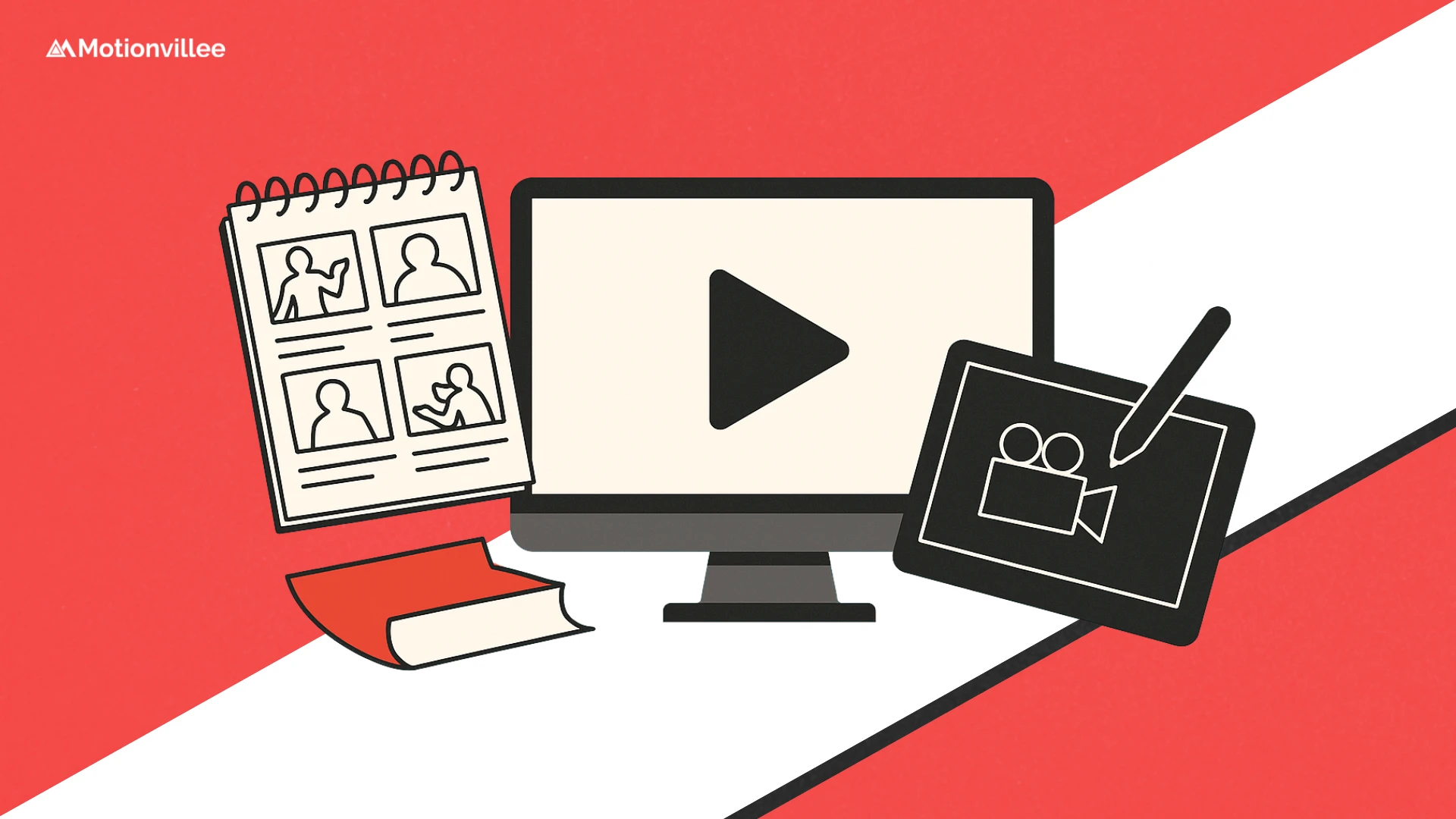
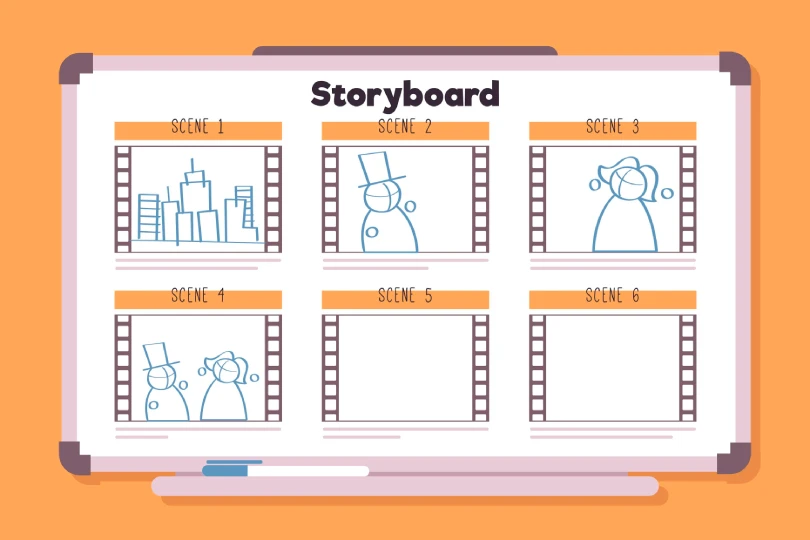
A storyboard creates a step-by-step visual representation of your entire explainer video. Sketches of the entire script are made so that you can see if there are any inconsistencies, and make changes if necessary. Think of storyboard as a comic strip, it will show transitions, scenes and the progression in the explainer video.
The voice-over, music, animation, illustration, and sound effects are entirely dependent upon the storyboard.
Why Storyboarding Matters
Visual planning prevents expensive revisions:
Catching structural issues at the storyboard stage costs hundreds of dollars in revisions. Discovering the same problems after animation costs thousands. The storyboard phase saves money by identifying problems early.
Stakeholder alignment:
Storyboards give non-technical stakeholders a clear preview of the final video. This visual reference ensures everyone shares the same vision before expensive production begins.
Technical planning:
Animators use storyboards to plan scene complexity, transition timing, and resource requirements. This planning prevents mid-production surprises and keeps projects on schedule.
Pacing validation:
Storyboards reveal whether the narrative flows logically and maintains engagement. Scenes that seemed fine in script might drag visually. The storyboard catches these pacing issues.
For SaaS companies particularly, how SaaS explainer videos are made inside our storyboarding process provides detailed insight into how professional teams translate technical product features into clear visual narratives that resonate with decision-makers.
Storyboard Components
Frame-by-frame scene breakdown:
Each major script beat gets its own storyboard frame showing key visual elements, character positions, and environment details.
Transition notes:
How scenes flow from one to another, cuts, fades, wipes, or animated transitions. These notes guide animators in creating smooth visual progression.
Timing annotations:
Estimated duration for each scene helps validate overall video length and identifies segments that might drag or rush.
Voiceover synchronization:
Script portions mapped to specific visual frames ensure the narration aligns perfectly with what viewers see on screen.
#4 Voiceover recording: Bringing Script to Life
Unless you decide to use your own voice, the animated explainer video production company would have professional voiceover artists which you can utilize. Motionvillee has different types of voiceover artists based on the tone that you need to employ for your explainer video.
Professional Voiceover Value
Tone and delivery expertise:
Professional voice talent understands how to convey emotion, emphasize key points, and maintain energy throughout the script. They make conversational delivery sound natural rather than read.
Audio quality:
Professional studios provide clean recordings free from background noise, echo, or compression artifacts. Quality audio significantly impacts perceived video professionalism.
Multiple take options:
Experienced voice talent provides several delivery variations, allowing you to select the tone that best matches your brand personality and audience expectations.
Accent and dialect considerations:
Different markets respond to different accents. American, British, Australian, or neutral English each carry subtle associations. Professional services offer appropriate options.
It is best advised that you use an experienced voiceover artist instead of working with an amateur because it can go wrong if your viewers feel that the voice doesn’t match with the video’s context.
Voice Selection Considerations
Match voice to audience:
B2B enterprise software might need authoritative, mature voiceover. Consumer apps might benefit from younger, energetic delivery. The voice should mirror your target demographic.
Gender considerations:
While any gender can effectively voice any product, consider industry norms and audience preferences. Testing different options during production helps identify what resonates.
Pacing and energy:
Some products need calm, measured delivery. Others benefit from upbeat, enthusiastic narration. The voiceover pace should match both product complexity and desired emotional response.
#5 Visual style: Establishing Brand Identity
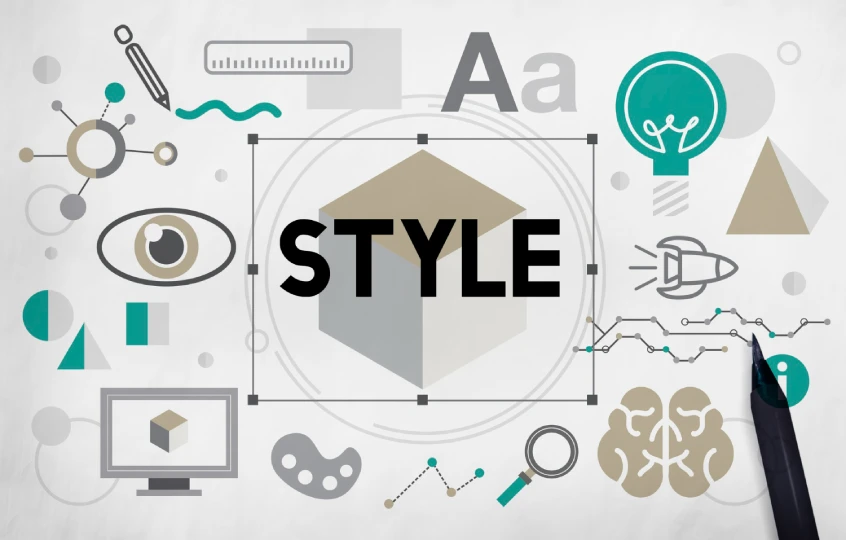
Based on your brand guidelines, the animated explainer video company will create a visual style. This is also called as a colored storyboard. This will include character design, text, background colour, illustrations, icons, etc.
Visual Style Development Process
Brand audit and guidelines review:
Professional teams study existing brand materials, website, presentations, marketing collateral, to understand visual language, color psychology, and design patterns.
Style frame creation:
Initial style frames show 3-5 key scenes in full color and detail. These samples give clients concrete examples of the proposed visual approach before full production begins.
Character design (if applicable):
For character-driven animations, designers create character sheets showing different poses, expressions, and actions. These sheets ensure consistency throughout animation.
Icon and illustration library:
Custom icons, UI elements, and illustrations are designed to match brand aesthetics. This library of assets gets reused throughout the video and potentially in other marketing materials.
Color palette selection:
Colors aren’t chosen arbitrarily, they’re selected based on brand guidelines, psychological impact, and platform display considerations. The palette creates visual cohesion.
This is a time-consuming process as the explainer video company should adhere to the client’s brand standards to create a high-quality visual style. Rushing this phase creates videos that look polished but feel disconnected from brand identity, undermining the credibility that consistent branding builds.
Why Visual Consistency Matters
Brand recognition:
Consistent visual language across all marketing materials, website, video, presentations, social media, builds recognition and reinforces brand memory.
Professional perception:
Mismatched colors, inconsistent typography, or off-brand illustrations signal lack of attention to detail, potentially undermining prospect confidence in product quality.
Asset reusability:
Visual elements developed for explainer videos often become valuable assets for other marketing needs, social media graphics, presentation slides, email headers.
#6 Animation: Where Everything Comes Together
This is the stage where your animated explainer video takes shape. The Visual Style is brought to life here, add voice-over recordings to this and the explainer video is almost completed at this stage. This process can take up quite a lot of time, it is better to allocate time for this stage accordingly.
The quality of the final video is entirely dependent on getting the animation right.
The Animation Production Process
Asset preparation:
All illustrated elements are prepared for animation, layered properly, organized logically, and optimized for efficient manipulation.
Scene animation:
Animators bring each storyboard frame to life, creating movement that reinforces the narrative and maintains viewer engagement. This includes character animation, object movement, and environmental transitions.
Timing and pacing:
Animation timing is precisely calibrated to voiceover delivery. Visual elements appear exactly when narration references them, creating seamless synchronization between audio and visual channels.
Transition animation:
Smooth transitions between scenes maintain flow and prevent jarring cuts that disrupt viewer attention. Professional transitions feel intentional rather than default.
Text animation:
On-screen text, titles, key points, statistics, is animated to draw attention without distracting from the main narrative. Text timing reinforces rather than competes with voiceover.
For companies seeking high conversion performance, understanding the animation process behind high-converting SaaS explainer videos reveals how strategic animation decisions, pacing, emphasis, visual hierarchy, directly impact viewer engagement and conversion rates.
Animation Complexity Variables
Character animation complexity:
Simple icon-based motion graphics require less time than full character animation with nuanced expressions and complex movements.
Scene density:
Scenes with many moving elements take longer to animate than minimalist compositions. Production timelines should account for scene complexity.
3D versus 2D:
Three-dimensional animation requires additional modeling, texturing, and rendering time compared to two-dimensional animation.
Custom effects:
Particle effects, complex transitions, or unique visual treatments add production time but can significantly enhance visual impact.
#7 Sound Effects and Music: The Emotional Layer
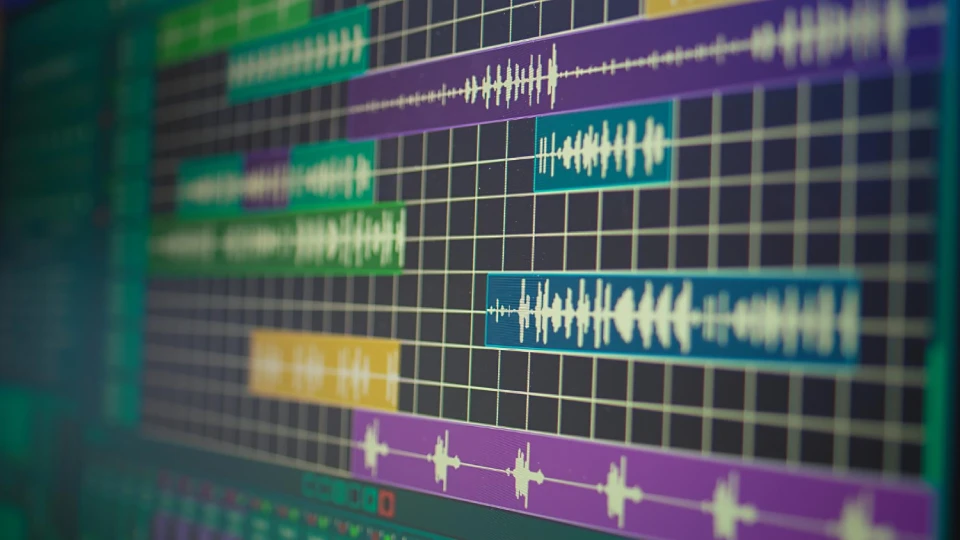
Music and sound effects create a lot of impact on your video even if people might say otherwise. The right music can set the tone while anything else that is not ideal can be an irritant. Characters in your animated explainer video display emotions while music complements these emotions.
Strategic Audio Design
Music selection or composition:
Background music establishes emotional tone, trustworthy, innovative, approachable, professional. The right track supports messaging while wrong music choices undermine credibility.
Sound effects for emphasis:
Subtle sound effects, whooshes for transitions, pops for text appearance, clicks for UI interactions, add polish and guide viewer attention to important moments.
Audio mixing and mastering:
Professional audio engineers balance voiceover, music, and effects so each element is clear without overpowering others. Poor mixing makes videos feel amateur regardless of visual quality.
Subtitle integration:
Most social media videos play initially without sound. Subtitles ensure your message reaches viewers in sound-off environments while also improving accessibility.
Music can be best used to lead the audience into situations. Apart from adding sound effects and music, even features like subtitles are liked widely by most audiences. An experienced animated explainer video production company would own several styles of music and sound effects to complement your video.
Audio Licensing Considerations
Stock music licensing:
Budget-friendly option with limited uniqueness. Multiple brands may use the same tracks.
Premium stock licensing:
Higher-quality tracks with better licensing terms for broader usage across platforms.
Custom composition:
Original music created specifically for your video. Significantly more expensive but provides unique sonic branding.
Usage rights verification:
Ensure music licenses cover all intended uses, web, social, paid advertising, broadcast. Insufficient licensing creates legal exposure.
#8 Marketing the Explainer Video: Maximizing Impact
Once you have added sound effects to your explainer video after following all the above steps, the entire explainer video is completed. The next step is to distribute the explainer video on different platforms, including your email subscribers, social media handles, paid ads, relevant communities and so on.
Strategic Distribution Channels
Homepage integration:
Primary placement above the fold on landing pages maximizes views and impact on conversion rates. This is the highest-value placement for most explainer videos.
Social media optimization:
Platform-specific versions, vertical for Instagram Stories, square for LinkedIn feed, horizontal for YouTube, ensure optimal display across channels.
Email marketing campaigns:
Video thumbnails in email increase click-through rates significantly. Host videos externally and embed clickable previews rather than attaching large files.
Sales enablement:
Equip sales teams with video assets for follow-up emails, presentation integrations, and prospect education. Videos that answer common objections reduce sales cycle length.
Paid advertising:
Video ads on Facebook, LinkedIn, YouTube, and other platforms often deliver better ROI than static image ads when properly targeted.
In fact, the animated video company would be able to direct you to use marketing strategies that they have seen their clients do. This way, you can learn from the best in the market.
Distribution Best Practices
Platform-specific optimization:
Each platform has different technical requirements, audience behaviors, and best practices. Optimize for each rather than using one-size-fits-all approach.
SEO optimization:
Video hosting, metadata, transcripts, and structured data all impact search visibility. Properly optimized video content ranks in both traditional and video search results.
Analytics tracking:
Implement proper tracking to measure views, engagement, completion rates, and conversion attribution. Data guides optimization and future video strategy.
A/B testing:
Test different video versions, thumbnails, placements, and CTAs to identify what drives best results for your specific audience and goals.
Murphy’s Law Conundrum: Planning Prevents Problems
“Anything that can go wrong will go wrong” – Murphy’s law. This is the famous adage that originated during World War 2. At Motionvillee, we truly believe that things will go wrong if you don’t plan properly or have an experienced team getting your job done.
Motionvillee has worked with hundreds of clients for their animated explainer video and has done a good job of it.
Risk Mitigation Through Process
Documented workflows:
For a process that is as complicated as this, having a guidelines document that outlines all the processes to the T solves half the problem. An experienced animated explainer company would have a document for each of the processes so that nothing goes wrong.
Backup systems:
There are backups prepared so that none of the work gets lost. Project files, assets, and deliverables are backed up at multiple stages preventing catastrophic data loss.
Version control:
Systematic file naming and version tracking prevents confusion about which iteration is current and ensures teams always work on the correct files.
Clear approval processes:
Defined approval points with documented sign-offs prevent scope creep and ensure stakeholders have appropriate input at each stage.
Quality assurance checks:
Systematic review processes at each production stage catch errors early when they’re inexpensive to fix rather than after delivery when corrections cost significantly more.
In short, Murphy’s law doesn’t really work if you are extremely well prepared. With all that said, the folks at Motionvillee makes sure that everything works perfectly well.
Conclusion: Process Determines Quality
Working with a professional animated explainer video company means that you will get a video of the highest quality from them. You can even ask for a video that is available in different resolutions so that you can share it on different platforms.
With all that said, all the processes need to come in perfect combination to get the desired explainer video. Each phase, requirements, script, storyboard, voiceover, visual style, animation, sound, and distribution, builds on the previous work. Shortcuts at any stage compromise final quality and business impact.
Here’s a piece of expert advice though, do not succumb to the pressures of creating a template video. They won’t look professional and can derail your marketing efforts with its sloppiness.
Why Process Matters More Than Individual Elements
Consistency across phases:
Professional production maintains quality consistency from concept through delivery. Amateur production shows quality variation as different freelancers handle disconnected phases.
Strategic alignment:
Every decision, script choices, visual style, animation emphasis, music selection, should support defined business objectives. Process ensures strategic consistency.
Efficiency and cost control:
Structured processes prevent expensive rework, missed deadlines, and budget overruns. The investment in process pays for itself through predictable delivery.
Scalability:
Companies needing multiple videos benefit from established processes that can be replicated efficiently while maintaining quality standards.
If you have decided to get started on your business’ branding, let Motionvillee help you by creating an explainer video that will tell the world who you are, what you offer and why your products should be chosen in the most intuitive way possible.
Ready to bring your message to life with professional explainer video production services that follow a proven process designed to deliver business results? Contact Motionvillee to discuss your project timeline, budget, and objectives. We’ll walk you through our complete production process and show you exactly what to expect at each stage.