
The right video strategy call questions reveal more about an agency’s quality than their portfolio ever will. Most companies waste that first call looking at past work instead of asking about process, pricing, and results. Here’s what actually matters in your first conversation.
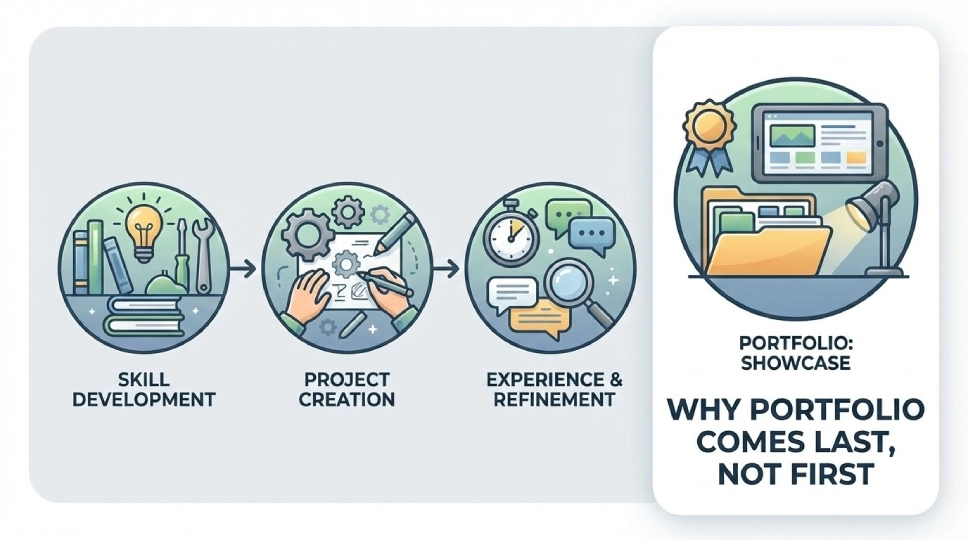
Looking at portfolios first is backwards. Every agency has good-looking videos. The real questions are: Can they deliver on time? Will they stay in budget? Do they understand your business?
Here’s what happens on most first calls.
The agency shows their reel. You see beautiful work. Everyone says “That looks great.” Then you sign a contract.
Three months later, you’re over budget, behind schedule, and the video doesn’t match your brand.
The portfolio looked perfect. But you asked the wrong questions.
A beautiful video doesn’t tell you:
• How long it took to make
• How many revisions were needed
• Whether it came in on budget
• If the client was happy with the process
• Whether it actually drove results
You’re seeing the highlight reel. Not the full story.
Three things predict whether your video project succeeds:
Process: Do they have a clear system?
Communication: Are they responsive and clear?
Experience: Have they done work like yours before?
You learn all three from asking the right video strategy call questions. Not from watching a portfolio. Before your call, familiarize yourself with standard pricing models so you can evaluate their quotes intelligently.
This question reveals if they have a real system or make it up as they go. Good agencies describe clear steps with specific timelines. Weak agencies give vague answers like “we’re flexible.”
Listen for structure in their answer.
“We follow a six-step process. Week one is strategy and scripting. Week two is storyboarding. Weeks three and four are design and animation. Week five is revisions. Week six is final delivery. Each phase has specific milestones and approval points.”
This shows they’ve done this before and know what works.
“We’re really flexible and adapt to each client’s needs.”
Translation: They don’t have a process. Your project will be chaotic.
If they can’t explain their process clearly, they don’t have one. When evaluating explainer video production companies, process clarity separates professionals from amateurs.
This prevents surprise costs later. Most professional agencies include two to three revision rounds. You need to know exactly what counts as one revision and what costs extra.
Revision scope causes the most project conflict.
“Two revision rounds are included. Round one covers script and visual direction. Round two covers animation timing and voiceover. Major changes after approval, like rewriting the entire script or changing visual style, would be additional.”
This is clear and fair.
“Unlimited revisions!”
Sounds great. Actually means projects drag on forever and quality suffers.
“One revision only.”
Too restrictive. Quality work needs at least two review cycles.
Ask specifically:
Get this in writing. It’s where most contracts go bad. Understanding what typically costs extra helps you negotiate better terms upfront.
This sets realistic expectations. Quality videos take four to six weeks minimum. Agencies should be honest about what slows projects down, which is usually slow client feedback.
Timeline surprises damage relationships.
That’s for a 90-second explainer video.
Honest agencies will say:
“The biggest delay is slow feedback. If you take a week to respond at each stage, the project stretches from six weeks to ten.”
Or:
“Multiple stakeholder approvals slow things down. We recommend designating one decision-maker.”
This honesty is good. They’re managing expectations.
“We can do it in two weeks!”
Rushed work shows. Quality takes time.
“Timeline depends on revisions.”
Translation: We’re always late and blame clients.
This tests relevant experience. Don’t just ask to see their “best work.” Ask for work specifically similar to your project in industry, style, and purpose.
Generic portfolios don’t reveal fit.
“Can you show me two to three explainer videos you’ve done for B2B SaaS companies? I’d love to see examples that explain technical products simply.”
Be specific about what “similar” means for you.
They show relevant examples and explain:
“Here’s an explainer we did for a cybersecurity SaaS company. Their challenge was explaining zero-trust architecture simply. This video helped increase demo requests by 40%.”
Context plus results equals experience.
“Here’s our showreel of our best work across all industries.”
If they don’t have relevant examples, you’ll be their learning project. Understanding different styles of SaaS video production helps you evaluate if their experience matches your needs.
This reveals if you’re getting senior talent or junior execution. Many agencies show you senior people during sales but hand off work to junior teams afterward.
You need to know who actually does the work.
“Who specifically will write the script?”
“Who creates the visual designs?”
“Who does the animation?”
“Will I meet them before we start?”
“Will the same team work on the entire project?”
“Your lead animator is Sarah. She has eight years of experience and has done 50+ SaaS explainers. Your scriptwriter is Mike, who specialized in B2B technology. You’ll meet both on our kickoff call.”
Specific names and experience levels matter.
“We have a talented team that will be assigned to your project.”
Translation: They don’t know yet, probably junior people.
Or:
“Your account manager will be your main contact.”
Account managers coordinate. They don’t create. You need access to actual creators.
This separates strategic partners from order-takers. Strong agencies have a methodology for matching video types to business goals. Weak agencies let you pick from a menu without guidance.
You’re testing for strategic thinking.
“First, we identify where prospects drop off in your funnel. Then we map video types to those gaps. For example, if website visitors don’t book demos, you need a homepage explainer. If demos book but don’t show up, you need a pre-demo confirmation video.”
They have a framework for making decisions.
Or:
“We start by understanding your buyer’s awareness stage. Not Aware buyers need education. Problem Aware buyers need agitation. Solution Aware buyers need comparison. Each stage requires different content.”
Smart agencies understand why one video isn’t enough and build comprehensive content strategies from the start.
“What kind of video do you think you need? Explainer? Demo? Testimonial?”
They’re letting you guess instead of providing expertise.
Or:
“Most companies start with an explainer video.”
Cookie-cutter approach without understanding your specific situation. Learn about different video types businesses need to evaluate if an agency’s recommendations align with best practices.
This reveals organizational requirements and prevents delays. Professional agencies have a specific list. Disorganized agencies say “just tell us what you want.”
Clear requirements mean smooth projects.
“We need five things to start: brand guidelines, key messaging document, target audience details, three competitor videos you like, and access to subject matter experts for fact-checking.”
Specific list means they know what they need.
“We’ll send you a project kickoff questionnaire that covers goals, audience, technical details, and brand assets. Most clients complete it in 30 minutes.”
“Just send us your website and we’ll figure it out.”
They’ll ask for more later, causing delays.
Or:
“Tell us what video you want and we’ll make it.”
Order-taking, not strategic partnership.
This tests experience with corporate dynamics. Internal conflicts kill projects. Experienced agencies know how to navigate this proactively.
Stakeholder management separates experienced from inexperienced.
“We recommend identifying one final decision-maker upfront. That person collects feedback from all stakeholders and gives us one consolidated list. This prevents conflicting directions and keeps projects on track.”
They’ve seen this problem and solved it.
Or:
“We run alignment workshops at the start. We get all stakeholders to agree on goals and direction before production begins. This prevents mid-project disagreements.”
“We’ll incorporate everyone’s feedback.”
Impossible. Conflicting feedback creates bland videos.
Or:
“That’s something you need to work out internally.”
They’re avoiding a problem they should help solve.
This separates agencies focused on outcomes from those focused only on outputs. Strong agencies discuss business metrics like demo bookings or conversion rates, not just video completion rates.
Results orientation matters more than creative ability.
“We track video completion rates, click-through rates, and most importantly, how many viewers take the desired action like booking a demo or requesting information.”
They think about business impact.
Or:
“Success metrics depend on your goal. For awareness, we track reach and engagement. For conversion, we track demo bookings and pipeline value. We help you set up tracking so you can measure actual business impact.”
“We deliver high-quality videos on time and on budget.”
That’s table stakes, not results.
Or:
“We don’t track performance. That’s your marketing team’s job.”
They care about delivery, not impact.
This prevents surprise costs. Many agencies charge extra for things you assumed were included like multiple formats, subtitle files, or music licensing.
Clarify everything upfront.
Are multiple video formats included (horizontal, vertical, square)?
Is music licensing included or extra?
What about professional voiceover?
Do I get subtitle files?
Are source files included?
What about revisions?
“Our price includes script, storyboard, full animation, professional voiceover, music licensing, one 16:9 format, subtitle file, and two revision rounds. Additional formats are $500 each. Translations are $300 per language. Rush delivery adds 20%.”
Detailed and transparent.
“Everything you need is included.”
Vague. Watch for add-ons later.
When comparing pricing across agencies, understanding standard USA video production pricing helps you identify fair market rates. Also review complete cost breakdowns to understand typical agency pricing structures.
References reveal truth. Ask to speak with a client who finished a project in the last three to six months. Not their best client from two years ago.
Recent references show current performance.
“Can you connect me with two to three clients who completed projects in the last six months? Ideally someone in my industry or with similar project scope?”
Be specific about what “similar” means.
“Absolutely. Here are three recent clients. John at TechCorp just finished a project last month. Maria at SaasCo completed hers in Q4. I’ll make email introductions today.”
Multiple recent references, offered readily.
“All our clients are under NDA.”
Some are, sure. But all? Probably means no happy clients to share.
Or:
“Here’s a testimonial page you can read.”
Written testimonials are curated. Phone calls reveal truth.
When you call references, ask:
Listen for hesitation. “They were fine” is very different from “They were excellent.”
Honest agencies will tell you the main causes: scope creep, excessive revisions, and unclear initial requirements. They should explain how they prevent this.
This tests honesty and experience.
“Budget overruns usually happen when clients request major changes after approval. Like rewriting the entire script after animation starts. We prevent this by getting very clear approvals at each stage before moving forward.”
They’re warning you and explaining their safeguards.
Or:
“Projects go over budget when scope increases mid-project. For example, adding 30 seconds to video length or creating entirely new scenes. Our contracts clearly define what’s included and what costs extra.”
“Our projects never go over budget.”
Unrealistic. Every agency has had budget issues.
Or:
“We’ll work with you on budget if needed.”
Vague and concerning. How much flexibility? At what point?
Good agencies ask as many video strategy call questions as you do. If they don’t ask about your goals, audience, and challenges, they’re order-takers, not strategic partners.
Here’s what they should ask.
“What does success look like for this video?”
“Where will this video be used?”
“What action do you want viewers to take?”
“How will you measure performance?”
These questions show they care about outcomes.
“Who exactly are you trying to reach?”
“What do they currently misunderstand about your product?”
“What objections do they have?”
“Where do they currently go for information?”
These questions show they create buyer-focused content.
“What makes you different from competitors?”
“Do you have brand guidelines?”
“Have you done video marketing before?”
“What’s worked and what hasn’t?”
These questions show they want context.
“Who needs to approve at each stage?”
“What’s your typical timeline for feedback?”
“What’s your budget range?”
“When do you need this completed?”
These questions show they plan realistically.
Major red flag. It means they don’t care about strategy, they’ll make assumptions, and the video won’t match your actual needs.
Find an agency that asks hard questions. That’s how you get good results.
Certain warning signs predict project failure. If you see these during your video strategy call, find another agency immediately.
Here are the deal-breakers.
Slow to respond: Takes three or more days to answer simple questions.
Why it’s bad: This is how they’ll communicate during production.
Vague answers: Can’t give specific details or numbers.
Why it’s bad: Means they don’t have systems or experience.
Defensive: Get uncomfortable when you ask tough questions.
Why it’s bad: Hiding problems or inexperience.
No clear methodology: Can’t explain their process step by step.
Why it’s bad: Projects will be disorganized.
Promises immediate start: “We can begin tomorrow!”
Why it’s bad: If they’re never busy, there’s a reason.
Unlimited revisions: Sounds good, causes problems.
Why it’s bad: Projects never end, quality suffers.
Won’t discuss pricing: “Let’s talk about that later.”
Why it’s bad: Usually means it’s higher than you’d expect.
Suspiciously low: Half the price of other quotes.
Why it’s bad: Hidden costs or poor quality coming.
Pressure tactics: “This price expires today.”
Why it’s bad: Desperation or manipulation.
No relevant examples: Can’t show work similar to yours.
Why it’s bad: You’ll be their learning project.
No references: Won’t connect you with past clients.
Why it’s bad: Probably no happy clients.
Too general: “We work with all industries.”
Why it’s bad: No real expertise in anything.
Talk to at least three agencies. Use a simple scorecard to compare answers objectively instead of going with whoever you liked best personally.
Here’s how to compare fairly.
Rate each agency 1 to 5 on these factors:
For a complete evaluation framework, review comprehensive partner criteria to ensure you’re covering all critical factors.
Make sure all proposals include same:
Otherwise you can’t compare prices accurately.
Cheapest is rarely best. Neither is most expensive.
Agency A is probably your best value. Not cheapest, not most expensive, but best fit.
The right video strategy call questions reveal agency quality better than any portfolio. Ask about process, timeline, revisions, team, and results before looking at past work.
Good agencies have clear processes, specific timelines, transparent pricing, and relevant experience. They ask as many questions as you do about your goals and audience.
Red flags include vague answers, no relevant examples, defensive responses, and unwillingness to share client references.
Compare at least three agencies using a simple scorecard. Rate them on process clarity, experience, communication, pricing transparency, and strategic thinking.
Portfolio comes last, after you understand how they work. Beautiful videos without professional process, clear communication, and relevant experience waste your money.
Ready to ask the right questions? Use these video strategy call questions to find a true partner, not just a vendor.