
Getting Your Videos to Rank in Google: A Practical Guide for 2026
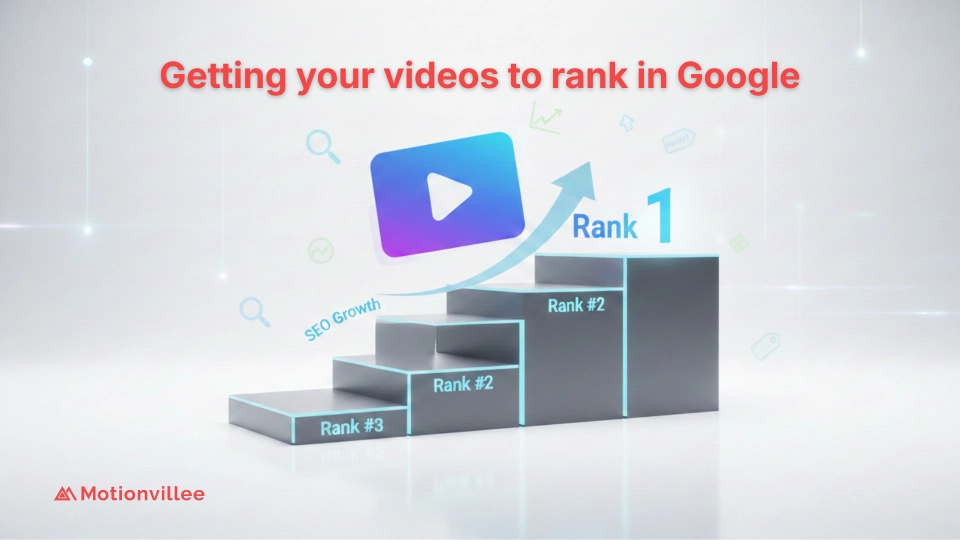
Uploading a video isn’t enough anymore. You could have the best tutorial, explainer, or product demo, but if no one finds it, it doesn’t matter. Ranking on Google is about visibility, relevance, and engagement not just content quality.
Let’s break down how to actually make your videos show up in search results, get clicks, and keep viewers watching.
What Does It Mean for a Video to Rank on Google?
When your video ranks on Google, it appears in search results sometimes in the main listings, sometimes in the video carousel. This isn’t just vanity. Higher visibility drives traffic, engagement, and conversions.
Ranking happens when Google understands what your video is about and decides it’s the most relevant answer for a search query. That means your video needs to speak both to people and the algorithm.
How Does Video SEO Work?
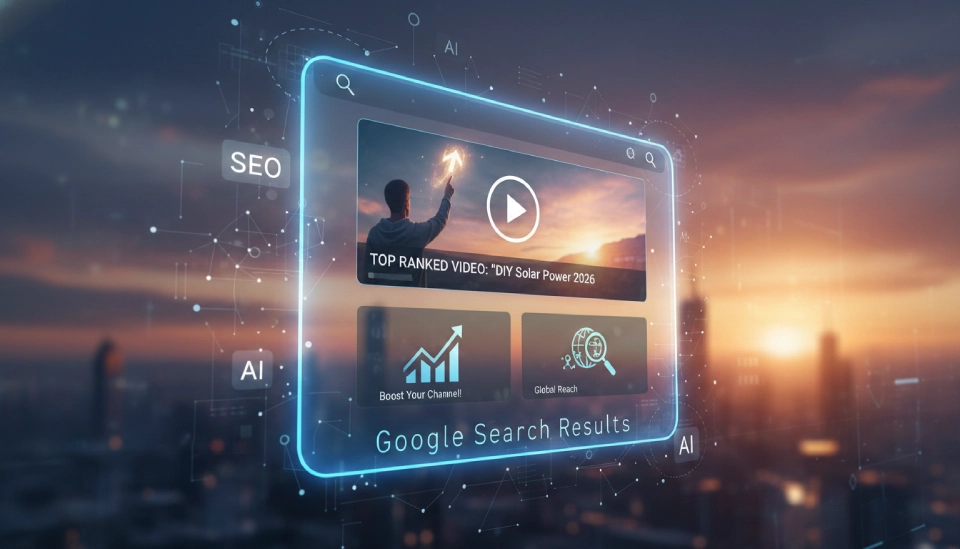
Video SEO isn’t a mystery. Google looks at multiple signals: titles, descriptions, keywords, engagement, and technical elements like transcripts or structured data.
Your title should be clear and match what people are actually searching for. A description should summarize the video, include keywords naturally, and link to related content. Thumbnails, tags, and categories also give Google context, showing it why your video belongs in a search result.
Think of SEO as giving Google a roadmap to your video without it, your content is invisible.
Do Keywords Really Make a Difference?
Yes but context is everything. Google isn’t just matching words; it’s matching intent. A generic keyword like “marketing” is too broad. But “how to create high converting LinkedIn videos” tells Google exactly what your audience wants.
Using the right keywords increases the chances your video shows up for the queries that matter, and tools like Google Keyword Planner or VidIQ help you find those phrases.
Why Engagement Signals Matter More Than You Think
Watch time, likes, shares, and comments aren’t just vanity metrics. They tell Google your content is valuable.
A video that people click, watch fully, and interact with ranks higher than a video with the same keyword but lower engagement. Think of it as social proof for search engines. Your content has to perform in the real world to perform in search results.
Should You Use Transcripts and Captions?
Absolutely. Transcripts make your content accessible and searchable. Google can index your spoken words just like text on a webpage, boosting SEO. Captions also help people who watch videos without sound a growing percentage of viewers today.
This small step adds massive discoverability, without changing your creative approach.
What About Thumbnails, Tags, and Categories?
These are the subtle ranking boosters. A thumbnail grabs attention, which drives clicks, which drives ranking. Tags and categories give Google more context about your video’s topic, connecting it to similar content and increasing discoverability.
Even small optimizations like these make a measurable difference in performance.
How Long Does It Take for Videos to Rank?
There’s no single answer. Some videos start showing in search results within days; most take weeks. Engagement, SEO optimization, and content quality all play a role.
The key is consistency. Publishing well optimized videos regularly signals to Google that your channel is active and authoritative, increasing the likelihood your future videos will rank faster.
Can YouRank YouTube Videos on Google?
Yes. YouTube is Google’s own platform, and videos often appear in the main search results, as well as the video carousel. Optimized YouTube videos get double exposure: on the platform and in Google search.
This makes YouTube both a content platform and a discoverability tool for your website or brand.
Conclusion: What Really Drives Video Ranking in 2026
Ranking videos is not about luck. It’s about making content that Google can understand, that your audience wants to watch, and that performs in the real world.
Focus on:
- Clear titles and descriptions with the right keywords
- Engaging content that keeps viewers watching
- Transcripts, captions, and other technical SEO elements
- Consistency and optimization across all videos
Do this, and your videos won’t just exist. They’ll get seen. They’ll drive traffic. And they’ll support your marketing goals.