
Why Explainer Videos Fail to Convert (And What Actually Works)
You invested in a video. You put it on your homepage. Nothing happened.
This is more common than most teams want to admit. Explainer videos fail to convert not because the format doesn’t work, but because specific, fixable mistakes are buried in how most of them get made.
96% of people have watched an explainer video to learn about a product. The intent is there. The audience is watching. When results don’t follow, the problem almost always comes down to execution, not format.
Here’s what’s actually going wrong.
The Video Talks About the Brand Instead of the Buyer
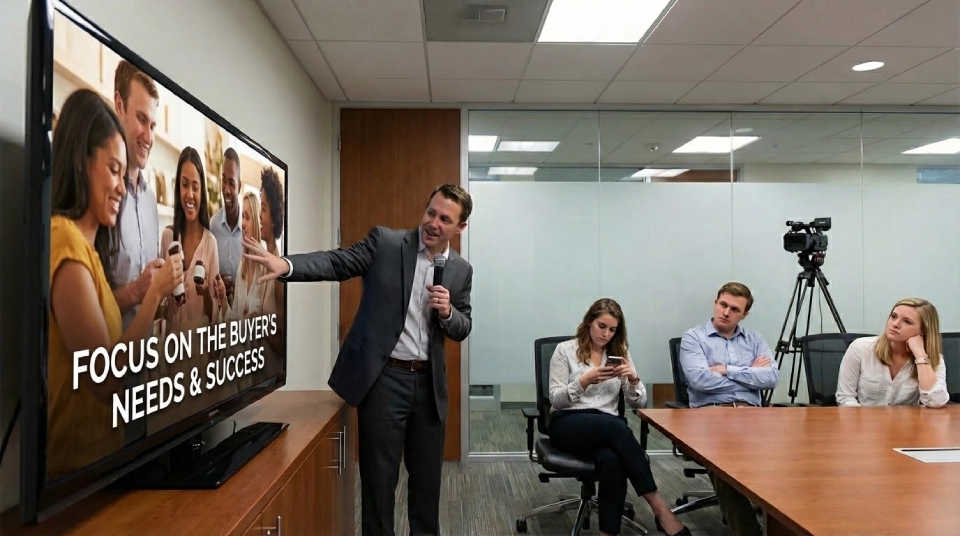
The most common reason explainer videos fail to convert is that they open with the company, not the customer.
Most explainer videos follow the same pattern: logo, company name, list of features, call to action. By the time the viewer hears anything relevant to their situation, they’ve already scrolled past.
Buyers don’t care about your company until they believe you understand their problem. Lead with their pain. Name the situation they’re living in. Then introduce your product as the way out.
Grounding your video marketing strategy in audience research before scripting is what separates videos that convert from ones that just sit on a page.
The Message Is Trying to Do Too Much
When a video tries to explain everything, it convinces viewers of nothing.
This is one of the most consistent mistakes in explainer video production. A team lists eight features, three use cases, two pricing options, and a testimonial, all in 90 seconds. The result is a video that feels rushed, confusing, and forgettable.
The fix is simple: one problem, one solution, one call to action. Every extra message you add dilutes the one that matters.
Keep videos under 90 seconds for maximum retention. That constraint forces the clarity your audience needs to take action.
The Hook Isn’t Earning Attention
If the first three seconds don’t stop the scroll, the rest of the video doesn’t matter.
71% of viewers decide within the opening moments whether a video is worth their time (Marketing LTB). Most explainer videos waste those seconds on a branded intro animation or a generic welcome.
The opening line should mirror something the viewer already feels. A problem they’re dealing with. A question they’ve been asking. A result they want. When viewers hear themselves in your video, they keep watching.
Learning how to create content people actually watch starts with the hook, everything else builds from there.
The Call to Action Is Weak or Missing
A video without a clear next step is just content. It becomes a conversion tool the moment you add a single, specific task.
Many explainer videos either end without a CTA or bury it in generic language like “learn more” or “visit our website.” Neither gives the viewer a reason to move.
Your CTA should match where the video sits in the funnel. A top-of-funnel awareness video should point to the next piece of content. A product page video should ask for a demo or a trial.
Many explainer animation videos end abruptly without guiding viewers toward any specific action. That’s not a production problem. It’s a strategy problem.
The Video Isn’t Built for How People Actually Watch
85% of mobile videos are watched on mute. If your video only works with sound, most of your audience never gets your message.
This is a distribution and format mistake that shows up constantly. No captions. No on-screen text reinforcing the key points. No visual storytelling that carries the message independently of the voiceover.
Beyond captions, 75% of all video viewing happens on mobile devices (Teleprompter). Text needs to be large. Motion needs to read clearly on a small screen. Thumbnails need to communicate something even before play is pressed.
Understanding the elements of effective explainer videos includes designing for real viewing conditions, not ideal ones.
The Video Is in the Wrong Place
Even a well-made explainer video won’t convert if it’s buried where buyers aren’t making decisions.
A lot of teams produce a strong video and then upload it to YouTube, post it once on LinkedIn, and move on. That’s not distribution. That’s abandonment.
Product pages with video see 47% higher engagement rates (SellersCommerce). Emails with video see 300% better click rates (Loopex Digital). Your video needs to live where your buyer is actively evaluating whether to take the next step.
Place it above the fold on your highest-intent pages. Put it in your sales sequences. Use it in outreach. One video, distributed with intention, outperforms five videos placed randomly.
What Actually Works
The explainer videos that convert share one thing: they were built around the viewer’s decision, not the brand’s story.
Here’s what that looks like in practice:
- Open with the problem, name the pain your buyer is living with right now
- One clear message, one problem, one solution, nothing more
- Short and structured, 60-90 seconds with a hook, body, and CTA
- Designed for silent viewing, captions, on-screen text, visual storytelling
- Placed with intent, on the pages and in the channels where decisions happen
- One specific CTA, matched to where the viewer is in their buying journey
To see this framework applied to real videos, reviewing explainer video examples that work gives you concrete benchmarks across industries and formats.
Understanding what high-performing videos have in common makes it easier to diagnose exactly where your current video is losing viewers and revenue.
If you’re unsure how much to invest before making these fixes, start with understanding budgeting your explainer video so your next production decision is grounded in real numbers.
The Format Is Not the Problem
Explainer videos still work. 82% of marketers say video has given them good ROI in 2026. The ones getting that ROI aren’t using a different format. They’re avoiding the mistakes above.
If your video isn’t converting, it’s fixable. Start with the hook. Tighten the message. Add a clear CTA. Put it where decisions happen.
Want to find out exactly where your current video is losing people? Book a strategy call with Motionvillee and we’ll map it out.