
Working with an Explainer Video Company: A Guide to Real Impact
Choosing a video production partner feels simple until you’re halfway through a project that’s going in the wrong direction.
Working with an explainer video company is a significant investment of time, budget, and trust. The teams that get strong results aren’t lucky, they go in prepared. They know what to brief, what to expect at each stage, and how to spot the signals that a studio understands their goals rather than just their deliverable.
This guide covers everything you need to know to make that partnership work in 2026.
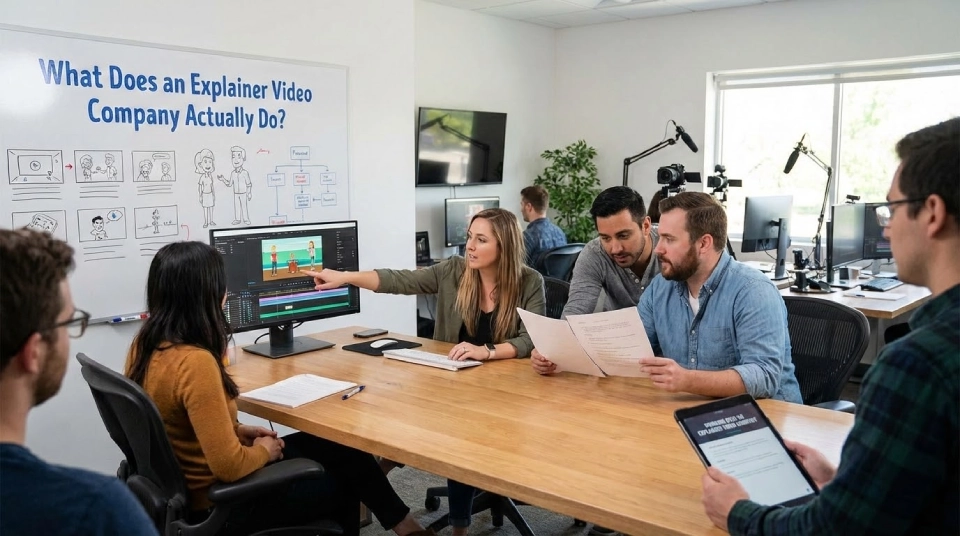
What Does an Explainer Video Company Actually Do?
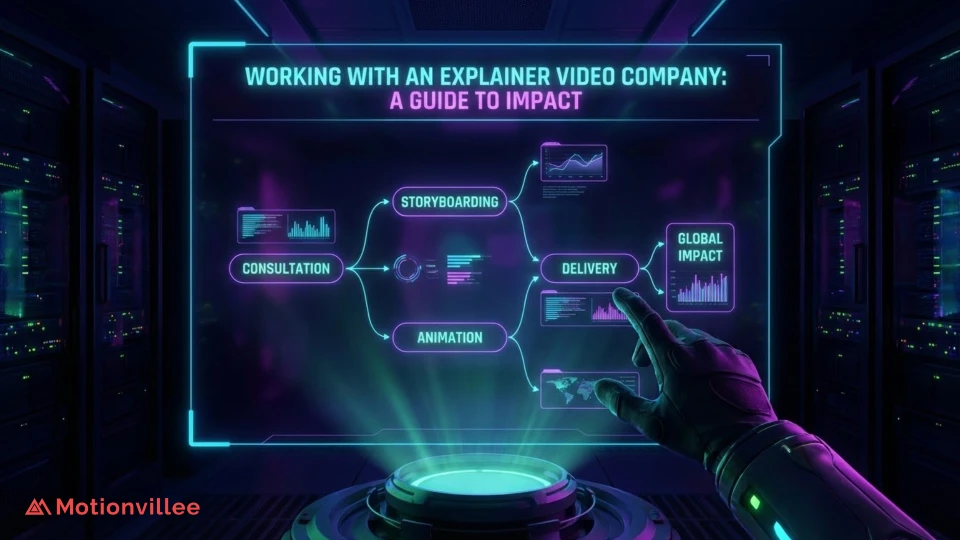
A good explainer video company handles strategy, scripting, storyboarding, animation, voiceover, and final delivery, not just the animation.
The distinction matters. A production house that only animates what you hand them is a vendor. A company that pushes back on a weak brief, challenges a confusing script, and asks what the video needs to do for your pipeline is a partner.
For nonprofits and mission-driven organizations, this difference is especially important. Your message carries weight. The wrong creative direction doesn’t just miss the mark, it dilutes the impact you’re trying to create. A solid video marketing for nonprofits foundation helps you walk into that first briefing with clarity on what your video needs to accomplish.
What Should You Prepare Before the First Meeting?
The quality of your brief determines the quality of your video. Come prepared with your audience, your one core message, and your desired outcome.
Most production delays and creative misalignments trace back to an unclear brief. Before your first conversation with a studio, you should know:
- Who is the video for?, Donor, program participant, corporate partner, or general public?
- What is the single most important thing they should understand after watching?
- What do you want them to do next?, Donate, sign up, share, book a call?
- Where will it live?, Homepage, social media, email campaign, events?
- What’s the timeline and budget range?
A detailed brief reduces back-and-forth, speeds up production, and results in a video that actually serves your goals rather than just looking good.
What Does the Production Process Look Like?
A professional explainer video company follows a structured process: brief, script, storyboard, voiceover, animation, revisions, and final delivery.
Here’s what each stage means for you as a client:
Script, This is the most important stage. The script decides the message, tone, and pacing. Review it carefully. If something doesn’t sound like your organization, say so now, not after animation begins.
Storyboard, A visual map of the video before any animation happens. This is your last easy chance to change direction without cost or delay. Use it.
Voiceover, Tone matters enormously for mission-driven work. A voice that sounds corporate and polished can undermine emotional connection. Give the studio clear direction on what your audience needs to feel.
Animation, Once this begins, changes become expensive. Front-load your feedback at script and storyboard stage.
Revisions, Most companies include a defined number of revision rounds. Know what’s included before you sign.
A 60-90 second explainer video takes an average of 4-6 weeks from brief to delivery (Gitnux). Plan your campaign timeline accordingly.
How Do You Evaluate the Right Studio?
Look at their portfolio for work in your sector, and listen to how they talk about results, not just aesthetics.
A studio that leads with “beautiful animation” and never mentions audience response, conversion, or viewer behavior is telling you something. The right partner for your work will ask about your goals before showing you their reel.
Key things to assess:
- Have they worked with organizations like yours before?
- Can they explain why specific creative choices were made?
- Do they ask about your audience or just your brief?
- Are their revision terms and ownership rights clearly documented?
Make sure the company you choose has relevant experience in your industry, a studio familiar with your niche will produce work that resonates with your specific audience. For a full breakdown of what to assess before signing, the how to choose an explainer video company covers the complete evaluation framework.
What Does It Actually Cost?
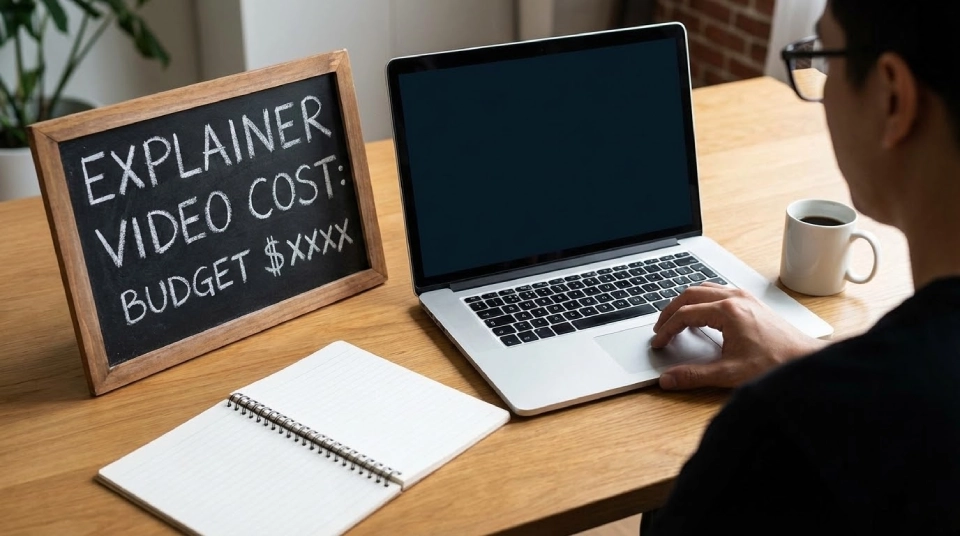
Custom animated explainer videos from professional studios typically start from around $3,000-$5,000 for a 60-second video and increase based on style, complexity, and revisions.
Studios offering work under $1,500 are almost always using templates and stock assets rather than custom animation. That’s not necessarily wrong if you know what you’re getting, but it won’t produce a video that reflects your organization’s specific voice and mission.
For nonprofits with limited budgets, the better question isn’t “how do we spend less?” It’s “which single video will have the most impact if we do it once and do it right?” One strong appeal video placed correctly on your donation page will outperform five cheap clips scattered across social media.
For a detailed look at what different price points actually deliver, reviewing video production costs gives you a realistic benchmark before any conversations start.
What Are the Most Common Mistakes Teams Make?
The biggest mistakes happen before production starts, unclear goals, a vague brief, and no distribution plan.
A video without a defined placement strategy is just content. It becomes a tool the moment you decide exactly where it will live and what it needs to make viewers do next.
Other common problems include approving a script that tries to say too much, giving contradictory feedback across revision rounds, and leaving the CTA as an afterthought. These mistakes are consistent patterns across organizations of every size.
Reading about common video mistakes to avoid before briefing your studio means you walk in knowing exactly what not to let happen.
Getting the Most From the Partnership
Working with an explainer video company is most effective when you treat it as a collaboration, not a transaction. Show up with a clear brief. Give specific feedback. Trust their creative process while staying firm on your message.
96% of people have watched an explainer video to learn about a product or service. Your audience is already watching. The question is whether the video they find reflects the full weight of your mission.
To understand what how to create video content looks like in practice, from hook to CTA, gives you the production knowledge to be a sharper, more decisive client throughout the process.
And knowing what high-performing video content actually looks like helps you evaluate the work you receive with confidence rather than just gut feeling.
Ready to find the right partner for your next video? Book a strategy call with Motionvillee and let’s start with what your audience needs to feel.